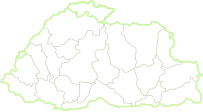
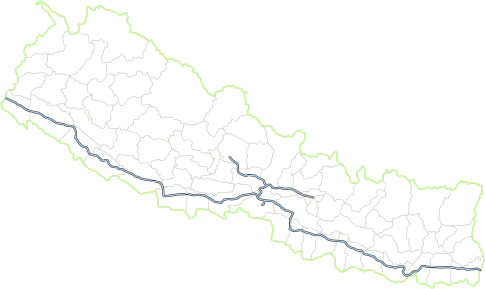
REFERANCE MAP
Discover beautiful mountains or visit the cultural treasures of NEPAL









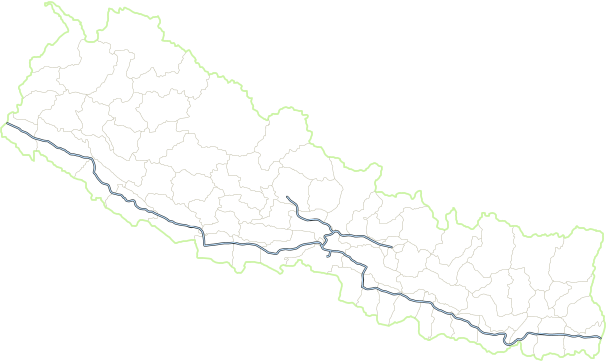




Nuptse 8516m



Dhaulagiri I 8167


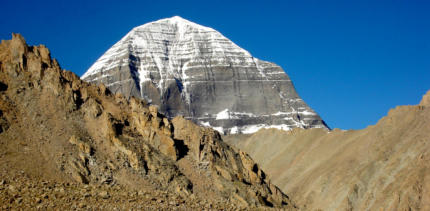
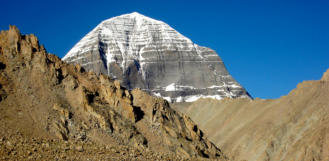
Gurla Mandhata 7728m
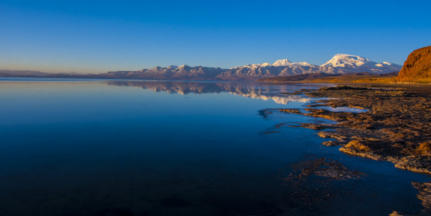
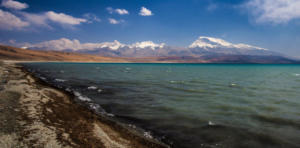
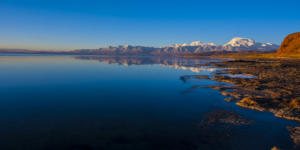
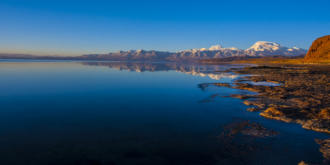
Manasarovara 4580m
Rakas Tal 4560m


Annapurna I 8091
Makalu 8462


FACTS ABOUT NEPAL
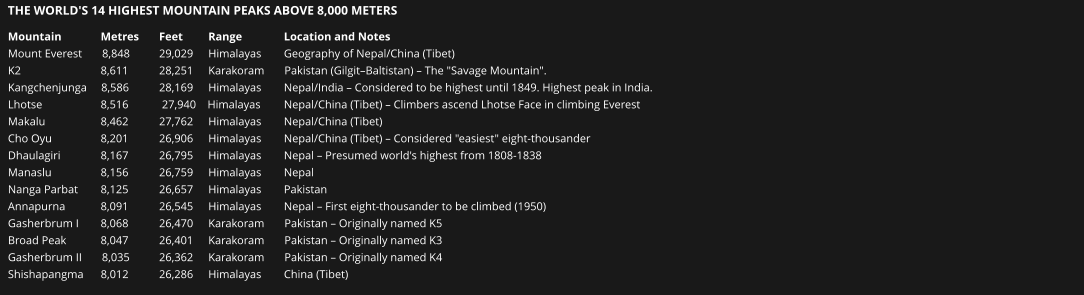
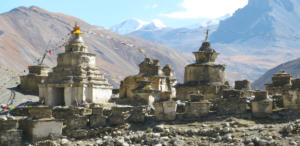
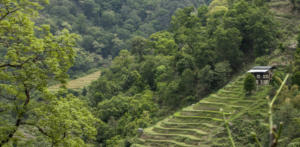
A Land of Remarkable Geography: Nepal is a landlocked country in South Asia, nestled between India to the south and China (Tibet Autonomous Region) to the north. Roughly trapezoidal in shape, it stretches about 800 kilometers east to west and 200 kilometers north to south, covering an area of 147,516 square kilometers. Despite its compact size, Nepal offers one of the most dramatic changes in elevation on Earth—from the lowland plains at around 60 meters above sea level to the summit of Mount Everest (8,848.86 meters) within a distance of less than 200 kilometers. The country is divided into three distinct geographic regions that run east to west. The Terai is a fertile subtropical lowland bordering India, known for its wildlife reserves, national parks, and agricultural landscapes. North of the Terai lies the Hill Region, a scenic area of valleys, rivers, terraced farmland, and historic towns, including the Kathmandu Valley. Further north rises the Mountain Region, home to the mighty Himalayas and some of the world’s most breathtaking alpine scenery. The Himalayas and Adventure Tourism: Nepal is globally renowned as the heart of the Himalayas. It is home to eight of the world’s fourteen peaks over 8,000 meters, including Mount Everest, Kanchenjunga, Lhotse, Makalu, and Annapurna I. These mountains make Nepal one of the world’s premier destinations for trekking, mountaineering, and adventure travel. Classic trails such as Everest Base Camp, Annapurna Circuit, Langtang Valley, Mustang, and Dolpo attract travelers seeking both challenge and cultural immersion. Climate and Best Travel Seasons: Nepal’s climate varies with altitude, offering diverse travel experiences throughout the year. The country experiences five seasons: spring, summer, monsoon, autumn, and winter. Spring (March–May) brings mild temperatures, blooming rhododendrons, and excellent mountain views. Autumn (September–November) is the most popular season, with clear skies and ideal conditions for trekking and sightseeing. Winter (December–February) offers crisp weather and is ideal for low- altitude treks and cultural tours.
Summer and Monsoon (June–August) transform the landscape into lush
green valleys and are suitable for rain-shadow regions such as Upper
Mustang, Dolpo, and Manang.
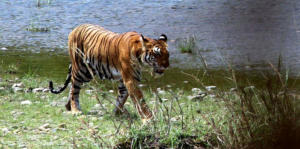
Nature, Wildlife, and Biodiversity: Nepal is one of the most biologically
diverse countries in the world. Its ecosystems range from tropical
grasslands and jungles in the Terai to subtropical and temperate forests,
alpine meadows, and glacial landscapes. National parks such as Chitwan,
Bardia, Sagarmatha, and Langtang protect rare wildlife including the
one-horned rhinoceros, Bengal tiger, snow leopard, red panda, and
Himalayan tahr. Birdwatching is also popular, with over 850 species of
birds recorded.
People, Culture, and Living Heritage: Nepal’s greatest richness lies in its
cultural and ethnic diversity. The country is home to numerous ethnic
communities, including Newars, Tharus, Brahmin, Chhetri, Gurung,
Magar, Tamang, Rai, Limbu, Sherpa, and Thakali, each with distinct
traditions, festivals, and ways of life. This diversity is reflected in daily life,
architecture, music, and cuisine.
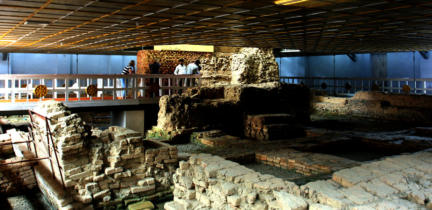
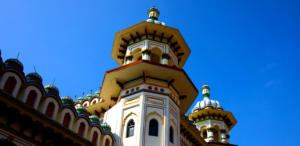
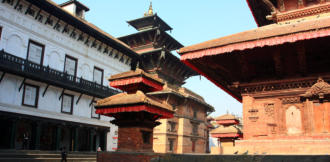
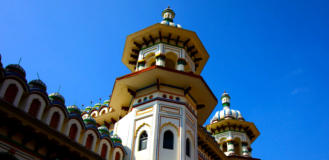
The Kathmandu Valley, a UNESCO World Heritage Site, is famed for its
ancient temples, royal squares, stupas, and monasteries. Sacred places
such as Lumbini, the birthplace of Lord Buddha, and Pashupatinath, one
of Hinduism’s holiest temples, highlight Nepal’s deep spiritual roots.
Language and Communication: Nepali is the official language, but Nepal
is home to over 120 languages. English is widely spoken in tourism areas,
making travel easy and comfortable for international visitors.
Religion and Spiritual Harmony: Nepal is known for its remarkable
religious harmony. Hinduism and Buddhism coexist closely, often sharing
temples and festivals. Major religions include Hinduism, Buddhism, Islam,
Kirant, and Christianity, creating a unique spiritual atmosphere that
deeply influences daily life.
Population and Hospitality: With a population of approximately 30–31
million, Nepal remains a country where traditional lifestyles blend
naturally with modern life. Nepalese people are widely known for their
warm hospitality, friendliness, and respect for guests, making visitors feel
welcome throughout their journey.
WHY YANTRA TOURS & TRAVEL?
Yantra Tours & Travel is a leading cultural and adventure travel agency in
Nepal. Our tours are thoughtfully designed with great attention to detail,
ensuring authentic experiences and smooth operations. All departures
are guaranteed as scheduled, except in rare cases beyond our control,
such as natural disasters or unforeseen restrictions. Read More…





REFERANCE MAP
Discover beautiful mountains or visit the cultural treasures of NEPAL
© 2020
All material on this web site is subject to copyright
and may not be used without permission.
Design and Maintain By Valley FX
Yantra Tours & Travels Pvt. Ltd.
231/85 Anandnagar Marg, Dhumbarahi, Kathmandu, Nepal
+977 1 45 29 595






Nuptse 8516m


Dhaulagiri I 8167


Gurla Mandhata 7728m
Manasarovara 4580m
Rakas Tal 4560m


Annapurna I 8091
Makalu 8462



FACTS ABOUT NEPAL
A Land of Remarkable Geography: Nepal is a landlocked country in South Asia, nestled between India to the south and China (Tibet Autonomous Region) to the north. Roughly trapezoidal in shape, it stretches about 800 kilometers east to west and 200 kilometers north to south, covering an area of 147,516 square kilometers. Despite its compact size, Nepal offers one of the most dramatic changes in elevation on Earth—from the lowland plains at around 60 meters above sea level to the summit of Mount Everest (8,848.86 meters) within a distance of less than 200 kilometers. The country is divided into three distinct geographic regions that run east to west. The Terai is a fertile subtropical lowland bordering India, known for its wildlife reserves, national parks, and agricultural landscapes. North of the Terai lies the Hill Region, a scenic area of valleys, rivers, terraced farmland, and historic towns, including the Kathmandu Valley. Further north rises the Mountain Region, home to the mighty Himalayas and some of the world’s most breathtaking alpine scenery. The Himalayas and Adventure Tourism: Nepal is globally renowned as the heart of the Himalayas. It is home to eight of the world’s fourteen peaks over 8,000 meters, including Mount Everest, Kanchenjunga, Lhotse, Makalu, and Annapurna I. These mountains make Nepal one of the world’s premier destinations for trekking, mountaineering, and adventure travel. Classic trails such as Everest Base Camp, Annapurna Circuit, Langtang Valley, Mustang, and Dolpo attract travelers seeking both challenge and cultural immersion. Climate and Best Travel Seasons: Nepal’s climate varies with altitude, offering diverse travel experiences throughout the year. The country experiences five seasons: spring, summer, monsoon, autumn, and winter. Spring (March–May) brings mild temperatures, blooming rhododendrons, and excellent mountain views. Autumn (September–November) is the most popular season, with clear skies and ideal conditions for trekking and sightseeing. Winter (December–February) offers crisp weather and is ideal for low-altitude treks and cultural tours. Summer and Monsoon (June–August) transform the landscape into lush green valleys and are suitable for rain-shadow regions such as Upper Mustang, Dolpo, and Manang. Nature, Wildlife, and Biodiversity: Nepal is one of the most biologically diverse countries in the world. Its ecosystems range from tropical grasslands and jungles in the Terai to subtropical and temperate forests, alpine meadows, and glacial landscapes. National parks such as Chitwan, Bardia, Sagarmatha, and Langtang protect rare wildlife including the one-horned rhinoceros, Bengal tiger, snow leopard, red panda, and Himalayan tahr. Birdwatching is also popular, with over 850 species of birds recorded. People, Culture, and Living Heritage: Nepal’s greatest richness lies in its cultural and ethnic diversity. The country is home to numerous ethnic communities, including Newars, Tharus, Brahmin, Chhetri, Gurung, Magar, Tamang, Rai, Limbu, Sherpa, and Thakali, each with distinct traditions, festivals, and ways of life. This diversity is reflected in daily life, architecture, music, and cuisine. The Kathmandu Valley, a UNESCO World Heritage Site, is famed for its ancient temples, royal squares, stupas, and monasteries. Sacred places such as Lumbini, the birthplace of Lord Buddha, and Pashupatinath, one of Hinduism’s holiest temples, highlight Nepal’s deep spiritual roots. Language and Communication: Nepali is the official language, but Nepal is home to over 120 languages. English is widely spoken in tourism areas, making travel easy and comfortable for international visitors. Religion and Spiritual Harmony: Nepal is known for its remarkable religious harmony. Hinduism and Buddhism coexist closely, often sharing temples and festivals. Major religions include Hinduism, Buddhism, Islam, Kirant, and Christianity, creating a unique spiritual atmosphere that deeply influences daily life. Population and Hospitality: With a population of approximately 30–31 million, Nepal remains a country where traditional lifestyles blend naturally with modern life. Nepalese people are widely known for their warm hospitality, friendliness, and respect for guests, making visitors feel welcome throughout their journey.

© 2020
All material on this web site is subject to copyright and may
not be used without permission.
Design and Maintain By Valley FX
Yantra Tours & Travels Pvt. Ltd.
231/85 Anandnagar Marg, Dhumbarahi,Kathmandu, Nepal
+977 1 44 29 595



REFERANCE MAP
Discover beautiful mountains or visit the
cultural treasures of NEPAL




Nuptse 8516m


Dhaulagiri I 8167


Gurla Mandhata 7728m
Manasarovara 4580m
Rakas Tal 4560m


Annapurna I 8091
Makalu 8462



FACTS ABOUT NEPAL
A Land of Remarkable Geography: Nepal is a landlocked country in South Asia, nestled between India to the south and China (Tibet Autonomous Region) to the north. Roughly trapezoidal in shape, it stretches about 800 kilometers east to west and 200 kilometers north to south, covering an area of 147,516 square kilometers. Despite its compact size, Nepal offers one of the most dramatic changes in elevation on Earth—from the lowland plains at around 60 meters above sea level to the summit of Mount Everest (8,848.86 meters) within a distance of less than 200 kilometers. The country is divided into three distinct geographic regions that run east to west. The Terai is a fertile subtropical lowland bordering India, known for its wildlife reserves, national parks, and agricultural landscapes. North of the Terai lies the Hill Region, a scenic area of valleys, rivers, terraced farmland, and historic towns, including the Kathmandu Valley. Further north rises the Mountain Region, home to the mighty Himalayas and some of the world’s most breathtaking alpine scenery. The Himalayas and Adventure Tourism: Nepal is globally renowned as the heart of the Himalayas. It is home to eight of the world’s fourteen peaks over 8,000 meters, including Mount Everest, Kanchenjunga, Lhotse, Makalu, and Annapurna I. These mountains make Nepal one of the world’s premier destinations for trekking, mountaineering, and adventure travel. Classic trails such as Everest Base Camp, Annapurna Circuit, Langtang Valley, Mustang, and Dolpo attract travelers seeking both challenge and cultural immersion. Climate and Best Travel Seasons: Nepal’s climate varies with altitude, offering diverse travel experiences throughout the year. The country experiences five seasons: spring, summer, monsoon, autumn, and winter. Spring (March–May) brings mild temperatures, blooming rhododendrons, and excellent mountain views. Autumn (September–November) is the most popular season, with clear skies and ideal conditions for trekking and sightseeing. Winter (December–February) offers crisp weather and is ideal for low-altitude treks and cultural tours. Summer and Monsoon (June–August) transform the landscape into lush green valleys and are suitable for rain-shadow regions such as Upper Mustang, Dolpo, and Manang. Nature, Wildlife, and Biodiversity: Nepal is one of the most biologically diverse countries in the world. Its ecosystems range from tropical grasslands and jungles in the Terai to subtropical and temperate forests, alpine meadows, and glacial landscapes. National parks such as Chitwan, Bardia, Sagarmatha, and Langtang protect rare wildlife including the one-horned rhinoceros, Bengal tiger, snow leopard, red panda, and Himalayan tahr. Birdwatching is also popular, with over 850 species of birds recorded. People, Culture, and Living Heritage: Nepal’s greatest richness lies in its cultural and ethnic diversity. The country is home to numerous ethnic communities, including Newars, Tharus, Brahmin, Chhetri, Gurung, Magar, Tamang, Rai, Limbu, Sherpa, and Thakali, each with distinct traditions, festivals, and ways of life. This diversity is reflected in daily life, architecture, music, and cuisine. The Kathmandu Valley, a UNESCO World Heritage Site, is famed for its ancient temples, royal squares, stupas, and monasteries. Sacred places such as Lumbini, the birthplace of Lord Buddha, and Pashupatinath, one of Hinduism’s holiest temples, highlight Nepal’s deep spiritual roots. Language and Communication: Nepali is the official language, but Nepal is home to over 120 languages. English is widely spoken in tourism areas, making travel easy and comfortable for international visitors. Religion and Spiritual Harmony: Nepal is known for its remarkable religious harmony. Hinduism and Buddhism coexist closely, often sharing temples and festivals. Major religions include Hinduism, Buddhism, Islam, Kirant, and Christianity, creating a unique spiritual atmosphere that deeply influences daily life. Population and Hospitality: With a population of approximately 30–31 million, Nepal remains a country where traditional lifestyles blend naturally with modern life. Nepalese people are widely known for their warm hospitality, friendliness, and respect for guests, making visitors feel welcome throughout their journey.